


Getting a Dental Crown? What to Expect, Step by Step
Your dentist takes a look, taps a tooth, and says the words: "I think this one needs a crown." If your first thought was "Wait, like a tiny king's crown?", you're not the only one. A dental crown is one of the most common ways dentists protect and restore a tooth, and knowing what to expect can make the whole thing feel a lot less mysterious.
Here's a friendly, step-by-step guide to what a crown is, why you might need one, what happens at each visit, and how to make your new crown last.
What Is a Dental Crown, Anyway?
A crown is a tooth-shaped cap that covers your tooth above the gum line. Think of it as a custom-made helmet for a tooth that needs extra protection. According to the American Dental Association (ADA), a crown helps restore a tooth's normal shape and size, can make it stronger, and can improve how it looks.
Once it's in place, a crown is meant to look and work like a natural tooth. You chew with it, brush it, and floss around it just like the rest of your smile.
Why Your Dentist Might Recommend a Crown
Crowns aren't one-size-fits-all fixes, but they come up in a handful of common situations. According to the ADA and MedlinePlus, a crown may be recommended to:
Support a tooth with a large cavity or filling when there isn't enough natural tooth left to hold a filling on its own
Protect a weak or cracked tooth from breaking, or restore one that's already broken
Cover a tooth that's worn down from grinding
Hold a dental bridge in place or top off a dental implant
Improve the look of a tooth that's badly discolored or misshapen
Crowns are also common after a root canal, since a treated tooth can be more fragile. (Curious about that part? Here's our overview of what a root canal is and the signs you might need one.)
Getting a Dental Crown, Step by Step
According to the National Library of Medicine's MedlinePlus guide to dental crowns, getting a crown usually takes two visits. Some offices can digitally scan the tooth and make the crown in-house, so the process can vary. Here's the typical flow.
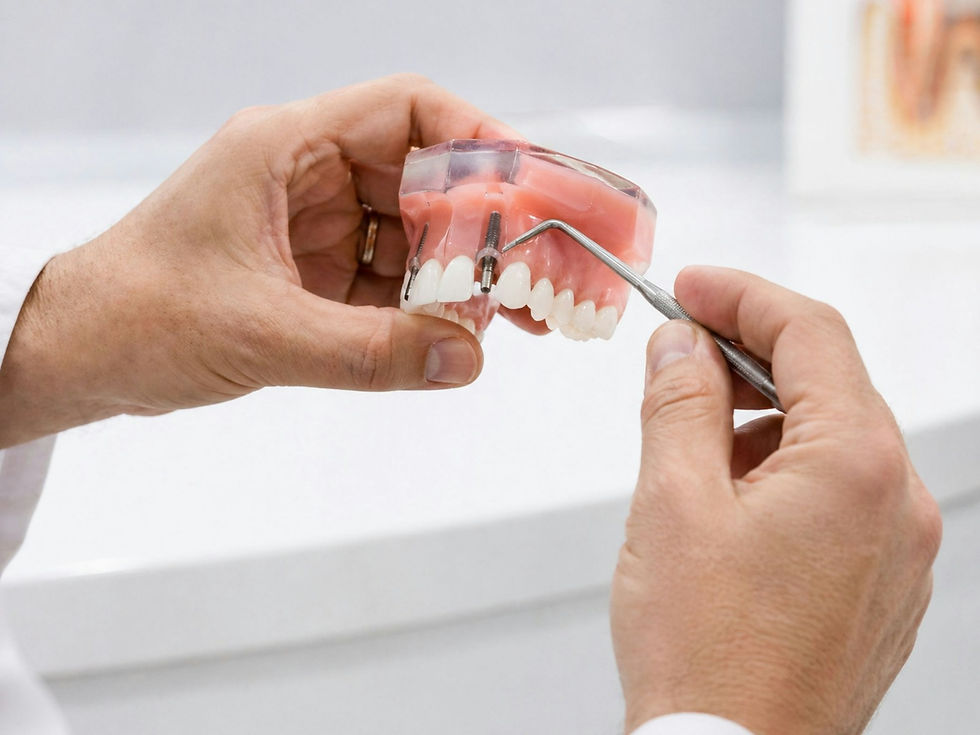
Visit one: preparing the tooth
Numbing: The dentist numbs the tooth and the area around it.
Clean-up: Any decay or old, failing fillings are removed.
Shaping: The tooth is gently reshaped so the crown can fit over it.
Impression or scan: The dentist takes an impression or digital scan so the crown can be made to fit your bite.
Temporary crown: You leave with a temporary crown that protects the tooth while the permanent one is made.
Visit two: the permanent crown
At the second visit, the temporary crown comes off and your permanent crown is fitted. Your dentist checks how it fits and how your teeth bite together (sometimes with an x-ray), then cements it in place. That's it: your tooth has its new helmet.
Caring for Your Temporary and New Crown
While you have a temporary crown
Temporary crowns are, well, temporary, so they need a little extra kindness. MedlinePlus suggests a few simple habits:
Slide your floss out to the side instead of lifting it up, which can tug the crown loose
Skip sticky foods like caramels, gummy candy, bagels, and gum
Chew on the other side of your mouth when you can
Call your dentist if your temporary crown comes off, your bite feels off, swelling gets worse, or you have pain that over-the-counter pain medicine doesn't help.
Once your permanent crown is in
It's normal for a new crown to take a few days to feel like "yours." If the tooth still has its nerve, you might notice some sensitivity to hot or cold, which usually fades over time. After that, care for it like your other teeth: brush twice a day and floss once a day.

Why does brushing still matter if the tooth is covered? Because the tooth underneath a crown can still get a cavity, especially along the edge near the gum line. Here's a refresher on how cavities start and how to prevent them early.
How Long Do Dental Crowns Last?
Good news: crowns are built to go the distance. According to MedlinePlus, most crowns should last at least 5 years and can last as long as 15 to 20 years. How long yours lasts depends on things like the material, your habits, and how well you care for it.
Crowns come in several materials, including metal, porcelain or ceramic, porcelain fused to metal, and resin, and each has trade-offs in strength and appearance. Your dentist can help you decide which type makes sense for your tooth. A few habits help any crown last longer:
Avoid chewing ice, hard candy, or pens (porcelain crowns can chip)
Ask about a night guard if you grind or clench your teeth
Keep up with regular checkups so your dentist can spot wear early
Whether you're in North Hollywood or anywhere in the San Fernando Valley, regular visits are the easiest way to keep an eye on crowns, fillings, and everything in between.
Dental Crown FAQ
Does getting a dental crown hurt?
The tooth and surrounding area are numbed before any work begins. Afterward, some soreness or temperature sensitivity is common for a short time. If pain lingers or gets worse, call your dentist.
How long does it take to get a crown?
It usually takes two visits: one to prepare the tooth and place a temporary crown, and a second to fit and cement the permanent crown. Some offices can make a crown in the same day.
Can a tooth with a crown still get a cavity?
Yes. The natural tooth underneath can still develop decay, especially near the gum line. Brushing twice a day, flossing once a day, and regular checkups help protect it.
Has your dentist mentioned a crown, or do you have a tooth that's been bugging you? Book a visit with NoHo Smile Center and we'll take a look and walk you through your options.
This article is for general information and isn't a substitute for professional dental advice. Please consult your dentist about your specific situation.


Comments